Unleash Urban Edge: The Poker T-Shirt Design for Streetwear
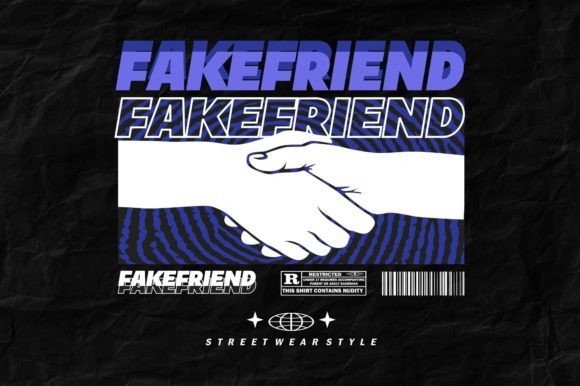
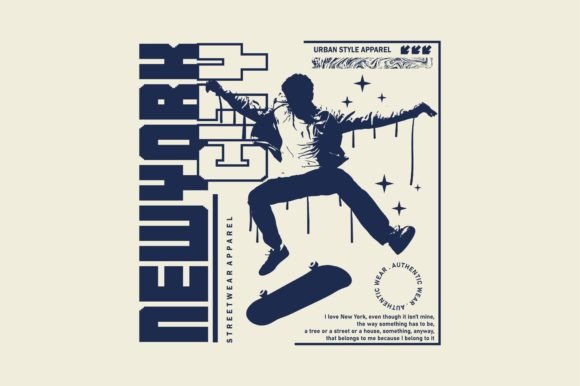
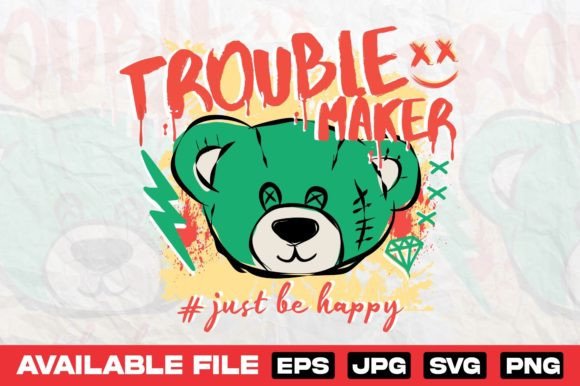
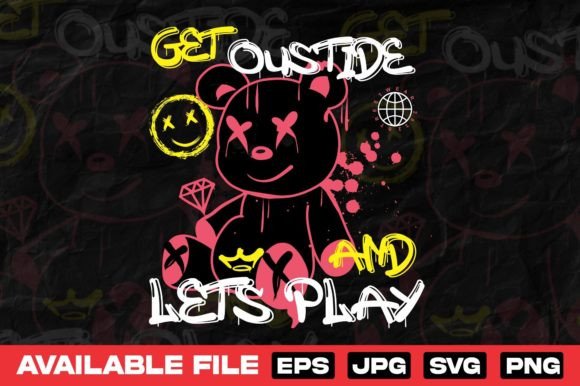
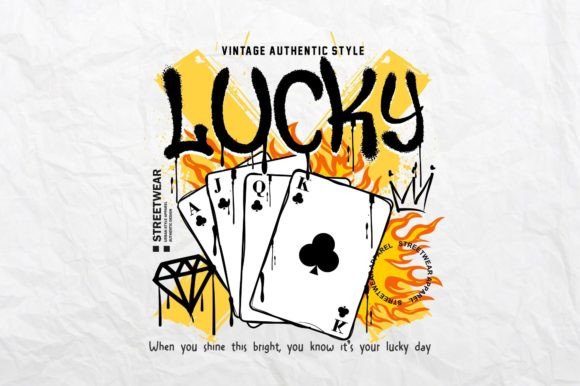
There’s a specific energy in streetwear that goes beyond just clothing. It’s a statement, a culture, and a visual language. If you’re building a brand that speaks to this audience, or you’re a designer crafting for a client who does, the visual assets you choose are everything. A generic graphic won’t cut it. You need something with attitude, detail, and versatility that can live on a heavyweight cotton tee, a nylon jacket, or a digital ad with equal impact. That’s the kind of potential packed into a well-executed Poker T Shirt Design - Streetwear.
More Than a Graphic: Capturing a Mood
What makes a streetwear illustration resonate? It’s rarely just the subject matter. A poker theme, for instance, isn’t new—but the execution is what separates forgettable from iconic. Think about the classic motifs: the ace of spades, a royal flush, dice, maybe a stylized skull with playing cards. The magic happens in the details. Is it a gritty, hand-drawn sketch with ink splatters? A clean, geometric vector with bold lines and limited color palettes? Or a complex, illustrative scene that tells a story?
The most effective designs in this genre understand the balance between being instantly recognizable and offering visual depth for a closer look. They use high-contrast imagery that pops from a distance and intricate linework that rewards attention. This is the kind of design that doesn’t just sit on a shirt; it starts a conversation. It becomes a key piece of your brand’s visual identity, especially if your niche intersects with gaming, nightlife, music, or a rebellious, strategic mindset.
The Practical Power of a Vector-Ready Asset
For designers and entrepreneurs, the true value of a design asset lies in its utility. A beautiful illustration locked in a low-resolution JPEG is a frustration. This is where the technical specifications become your best friend. When a design file package includes 100% vector resizable ready to print formats like EPS, alongside high-resolution JPEG files, you’re not just buying a picture—you’re investing in a toolkit.
Vector files (EPS) are the workhorse of professional production. They allow you to scale the design to the size of a billboard or shrink it for a chest logo without losing a single pixel of quality. This is non-negotiable for screen printing, where clean, crisp lines are essential, and for digital printing on various apparel and merchandise. The included JPEGs are perfect for quick digital mockups, social media posts, or web use. The fact that these files are 100% editable means a skilled designer can tweak colors, isolate elements, or adapt the composition to fit a specific layout—like turning a full chest print into a sleeve detail.
From Concept to Commercial: Where This Design Shines
Let’s move beyond the t-shirt. A strong, thematic graphic like this is a versatile creative font for your visual language. Consider these applications:
- Brand Identity & Logo Design: The core elements—a stylized card, a unique icon—can be extracted and refined into a powerful logo mark for a clothing line, a podcast about strategy, or a gaming lounge.
- Packaging & Labels: Imagine this art on hang tags, sticker sheets for packaging, or the label for a custom card deck or poker chip set. It instantly communicates the product’s vibe.
- Social Media & Digital Marketing: Use the full design as a hero image for an Instagram post, or break it into components for engaging Stories, thumbnails, and banner graphics. It provides a cohesive look across platforms.
- Merchandise & Print Materials: The applications extend to posters, hats, tote bags, and even invitations for a themed event. It’s a single asset that can populate an entire product line or marketing campaign, ensuring visual consistency.
- Editorial & Web Design: A blog about strategy, a website for a streetwear brand, or a digital magazine can use this illustration to create bold, thematic section headers or featured images that enhance reader engagement.
Making It Work: Practical Integration Tips
Having a great asset is one thing; using it effectively is another. Here’s how to integrate it seamlessly into your projects:
Font Pairing is Crucial. The design itself has a strong personality. Pair it with typography that complements, not competes. A bold, condensed sans serif font can mirror its modern, impactful feel. A gritty, handwritten font might enhance its street art vibe. Avoid overly ornate or delicate script fonts unless you’re going for a very specific, high-contrast mashup. Test your pairings at scale—how does the text look next to the graphic on a shirt mockup?
Consider Your Color Palette. The design likely comes in a specific color scheme. Think about how it interacts with your brand’s colors or the garment color. Will you print it as-is, or will you use the editable vector to create a monochrome version for a more subtle, versatile application? A limited color palette often reads as more premium and is more cost-effective for screen printing.
Respect the Composition. Don’t just slap it in the center of a layout. Use its negative space, its lines, and its focal points to guide the viewer’s eye. Maybe the design works better cropped, with a key element peeking from the side of a webpage or wrapping around a sleeve.
Licensing is Key for Commercial Use. Always verify the license. For any project intended for sale—whether it’s a shirt, a poster, or a digital product—you need to ensure the asset is cleared for commercial use. This is a fundamental part of professional design work and protects you and your business.
In the end, a tool like this is about empowerment. It gives you a high-quality, professional starting point that you can adapt, customize, and make your own. It’s not about replacing your creativity, but fueling it with a strong foundation that saves time and elevates the final product. Whether you’re launching a new brand line, creating content for a niche audience, or designing for a client, having a versatile, cool t-shirt design in your toolkit is a strategic move that pays dividends across multiple projects.