Laugh Lines on Cotton: A Designer's Guide to Funny Quotes T-Shirts
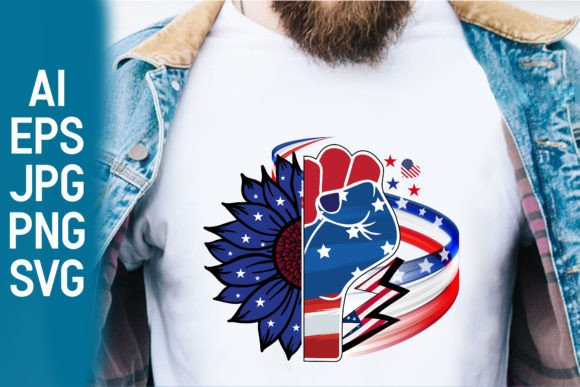
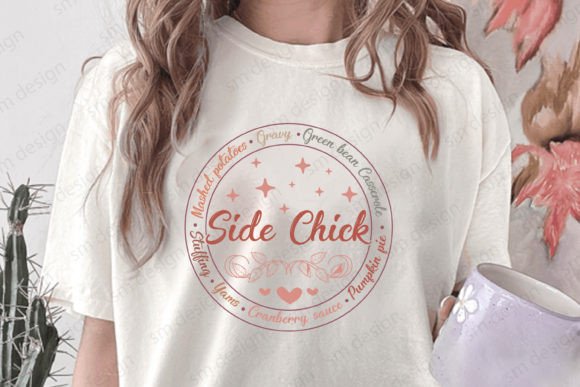
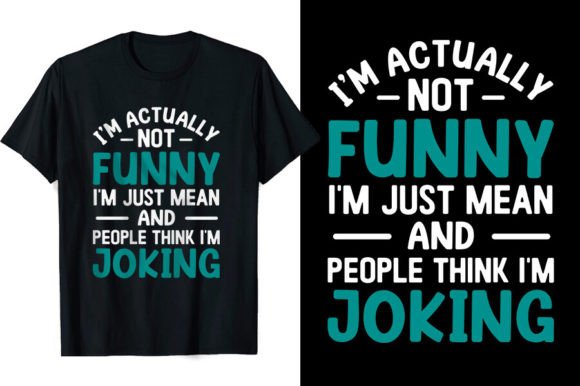
There’s a unique kind of magic in a t-shirt that makes someone stop, read, and then laugh out loud. It’s more than just fabric; it’s a walking billboard for a sense of humor, a conversation starter, and a wearable piece of art. For designers, entrepreneurs, and creative minds, tapping into this market is a fantastic way to connect with an audience. The challenge, however, lies not just in the joke, but in the execution. A hilarious phrase can fall flat if the typography and layout are clumsy. This is where having a professionally crafted, ready-to-edit Funny Quotes T-shirt Design becomes an invaluable asset, transforming a simple idea into a polished, market-ready product.
The Anatomy of a Successful Humorous Tee
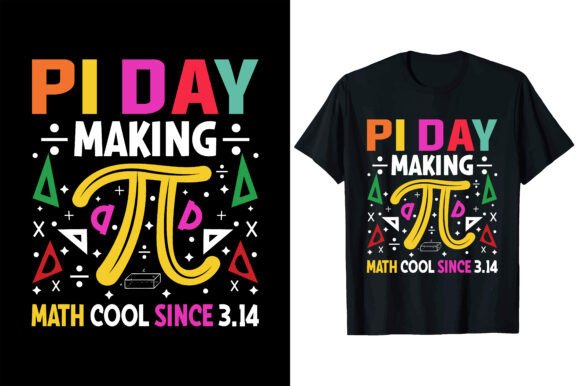
What separates a bestseller from a dud? It often boils down to visual communication. The design must be instantly readable, even from a few feet away. This means prioritizing clear, bold typefaces over overly ornate scripts. The layout should guide the eye naturally, often using hierarchy to emphasize the punchline. A great Funny Quotes T-shirt Design template understands these principles. It typically features a primary display font that is full of personality—maybe a chunky, friendly sans serif or a bold, impactful serif—paired with a simpler secondary font for supporting text. The composition is balanced, ensuring the quote is the star, with ample negative space to let the words breathe. This careful design work is what makes the final product feel professional and appealing, rather than homemade.
Furthermore, the best designs are versatile. A well-structured file, like one provided in AI, EPS, SVG, and high-resolution PNG formats, is a true workhorse for a creative business. It’s not locked into a single use. The vector formats (EPS, AI, SVG) are particularly crucial. They allow you to scale the design to any size without losing quality—from a small chest print to a massive poster—while also giving you complete control to modify colors, swap out elements, or adjust text to fit your brand’s specific voice or a new campaign. This flexibility is the difference between a one-off product and a scalable design asset.
From Screen to Stitch: Practical Applications Beyond the Tee
While the primary application is apparel, the potential of a well-designed humorous graphic extends far beyond cotton. Think of it as a core graphic asset for your brand’s personality. This same design file can be seamlessly adapted for a wide array of merchandise and marketing materials, creating a cohesive and recognizable brand identity.
- Drinkware & Accessories: Imagine the quote on a ceramic mug for the office or a travel tumbler. It translates perfectly to tote bags, hats, and phone cases, turning everyday items into statement pieces.
- Print & Digital Marketing: Use the design on posters for local events, flyers for a pop-up shop, or as engaging social media graphics. A funny quote is inherently shareable content, boosting organic reach and audience engagement.
- Packaging & Branding: For small businesses, especially in the food, beverage, or novelty space, incorporating a humorous element on packaging can create a memorable unboxing experience. It adds a human touch that customers appreciate and remember.
- Digital Products & Content: Bloggers and content creators can use the design as featured images for articles, thumbnails for videos, or even as downloadable digital art prints for their audience, adding value and personality to their platform.
Matching Tone and Audience: A Practical Workflow
Having a great design template is the first step, but customizing it for your specific audience is where the real work happens. The font style and overall vibe of the design must match the humor and the target demographic. A sarcastic, self-deprecating quote might work best with a gritty, hand-drawn style font, appealing to an indie or alternative audience. Conversely, a clean, witty pun about coffee or parenting might call for a more modern, approachable sans serif typeface that feels friendly and relatable.
Before finalizing your design, always test its readability. Print a sample or view it on multiple devices. Ask: Is the punchline clear? Does the font choice enhance or hinder the joke? Consider font pairing as well. If your main quote is in a bold display font, the accompanying text (like a website URL or smaller tagline) should be in a simple, highly legible font to avoid visual clutter. This thoughtful approach ensures your final product is not only funny but also professionally presented, which builds trust and credibility with your customers. Remember, the goal is to create a product people are proud to wear or use, and that starts with impeccable design execution.