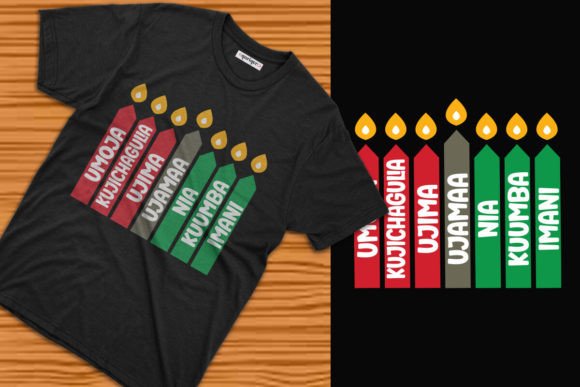
Embrace the Spirit: Modern Kwanzaa Design for Your Brand
The vibrant energy of Kwanzaa is more than just a celebration; it is a visual language of unity, creativity, and heritage. For designers and entrepreneurs, capturing this spirit in a tangible form, like a t-shirt, presents a unique opportunity to create something meaningful and marketable. A well-executed design doesn't just look good—it tells a story, sparks conversation, and builds a community around shared values. This is where a thoughtfully crafted template becomes an invaluable asset, transforming a cultural moment into a powerful piece of visual communication.
More Than a Graphic: Building a Visual Identity
A successful Kwanzaa-themed product line hinges on more than slapping a symbol onto a blank canvas. It requires a cohesive design language that resonates with the principles of Nguzo Saba. The right design template acts as a foundation for this identity. It ensures that whether you're creating a hoodie, a poster for a community event, or social media graphics for your business, every piece feels connected and intentional. This consistency is what builds brand recognition. Customers begin to associate your aesthetic quality and cultural respect with your name, turning a single purchase into long-term loyalty.
Consider the practical workflow. Starting from scratch for every holiday or cultural event is inefficient and can lead to a disjointed brand image. A customizable template streamlines this process dramatically. It provides the core visual structure—perhaps incorporating the kinara, the seven principles, or the colors of red, black, and green—while giving you the flexibility to adjust typography, layout, and color palettes to fit specific products. This saves countless hours, allowing you to focus on marketing, customer engagement, and expanding your product range, whether that means adding matching mugs, tote bags, or pillowcases.
Practical Applications Across Your Creative Projects
The versatility of a well-designed Kwanzaa template extends far beyond apparel. Think of it as a central design asset from which numerous marketing and product materials can flow. For a small business, this could mean:
- Digital Presence: Use the core design elements to create cohesive social media posts, Instagram story backgrounds, or website banners that announce your Kwanzaa collection or event. This creates a seamless experience from discovery to purchase.
- Physical Marketing: Adapt the design for flyers, poster cards, or packaging inserts. A beautifully designed thank-you card included with an order reinforces your brand's attention to detail and cultural appreciation.
- Product Diversification: The same core graphic, perhaps slightly reconfigured, can work on a sweatshirt, a jumper, a sticker, or a ceramic mug. This allows for a full product ecosystem that appeals to different customer preferences and price points.
- Community Building: For organizations, schools, or cultural groups, the design can be used for event invitations, program booklets, or commemorative posters, fostering a sense of unity and shared celebration.
Design Decisions: Typography and Readability
The typography within a Kwanzaa design carries immense weight. It's not just about legibility; it's about voice and tone. A bold, sans-serif font might convey strength and modernity, aligning with principles like Kuumba (Creativity) or Nia (Purpose). In contrast, a script or handwritten font could evoke a sense of warmth, tradition, and community (Ujima, Ujamaa). The key is to choose a typeface that complements the graphic elements without overpowering them.
When working with a template, pay close attention to the font pairings suggested. Test how the headline font interacts with any secondary text. Is there enough contrast? Does the hierarchy guide the viewer's eye naturally from the most important message to the supporting details? For merchandise like t-shirts, readability from a few feet away is crucial. A design that looks intricate on screen might become a muddy blob on fabric if the lines are too fine or the lettering too small. Always mock up your design on a product template to check real-world scale and impact.
Leveraging Design Assets for Commercial Success
For the creative entrepreneur, a resource like a customizable Kwanzaa template is a strategic investment. It's a premium design asset that accelerates production without sacrificing quality. The availability of multiple file formats—such as AI, EPS, SVG, and PNG—is critical. This ensures compatibility with various design software and print-on-demand platforms, from Adobe Illustrator for detailed editing to Canva for quick social media posts.
Before finalizing any design for commercial sale, a crucial step is to verify the licensing terms of all included assets, especially fonts. Ensure you have the proper commercial license to sell products featuring the typography. This due diligence protects your business legally and upholds ethical design practices. By combining a culturally resonant design with professional execution and clear licensing, you create products that are not only beautiful and marketable but also respectful and authentic. This thoughtful approach is what ultimately builds a sustainable and reputable brand in the creative marketplace.